Navigating Supply Chain Challenges for Commercial Kitchen Equipment
The global supply chain for commercial kitchen equipment has experienced unprecedented disruption over the past few years. From pandemic-related manufacturing slowdowns to shipping container shortages, transportation backlogs, and parts availability issues, business owners and kitchen managers are facing longer lead times and higher costs when purchasing or repairing essential equipment.
As the Operations Supervisor at HK Engineering, I manage our equipment logistics, inventory, and installation scheduling. I've been on the front lines of supply chain challenges, working directly with suppliers and clients to find solutions that keep kitchens operational despite delivery obstacles. This article shares practical strategies we've developed to navigate the current supply chain landscape from my perspective overseeing our equipment sourcing operations.
Understanding the Current Supply Chain Landscape

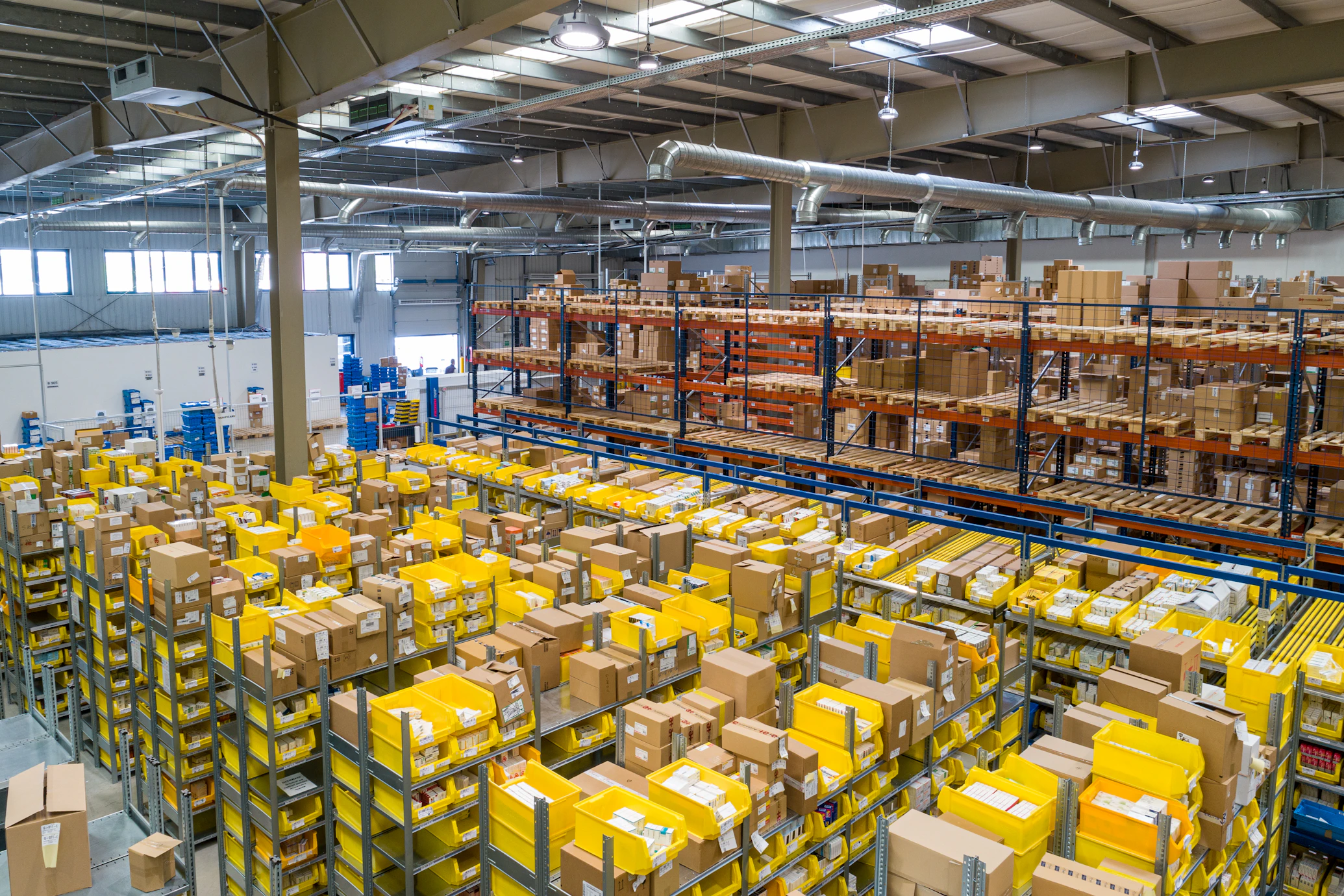
The global supply chain for kitchen equipment involves multiple stages where disruptions can occur
Before diving into solutions, it's helpful to understand what's causing the current challenges:
Key Factors Impacting Equipment Availability
- Raw material shortages: Stainless steel, semiconductor chips, and other critical components
- Manufacturing capacity constraints: Reduced production due to labour shortages and factory disruptions
- Shipping delays: Port congestion, container shortages, and freight cost increases
- Inventory stockouts: Distributors unable to maintain typical stock levels
- Increased demand: Hospitality sector recovery creating competition for available equipment
- Parts shortages: Particularly electronic components for modern equipment
These challenges have created a perfect storm where lead times for some equipment have extended from weeks to months, and repair parts that were once readily available now require lengthy waits.
Proactive Strategies for Equipment Acquisition
Despite these challenges, there are effective approaches for acquiring the equipment you need:
1. Extend Planning Horizons
The days of ordering equipment a few weeks before you need it are temporarily gone. Successful operators are now:
- Requesting current lead times for standard equipment
- Checking design and manufacturing schedules for custom or specialised items
- Including equipment in initial design phases rather than after construction
- Building generous buffers into project timelines
- Creating phased implementation plans that prioritise critical equipment
Before setting an opening date, request current lead times and confirm what can be ordered early without locking in an unsuitable specification.
2. Explore Alternative Equipment Options
Flexibility with equipment specifications can dramatically improve availability:
- Consider alternative brands with similar specifications
- Evaluate different equipment configurations that achieve the same functional outcomes
- Look at electric alternatives to gas equipment (often more readily available)
- Consider domestic production versus imported equipment
- Explore modular solutions versus custom-built items
When a preferred equipment model has limited availability, comparing suitable alternatives can help operators understand the available specifications, stock, and lead times before choosing a replacement.
3. Leverage Refurbished Equipment Markets
Quality refurbished equipment has become increasingly attractive due to availability advantages:
- Professional refurbishing services that restore equipment to near-new condition
- Immediate availability versus extended manufacturing lead times
- Cost comparison including condition, installation, warranty and running costs
- Sustainability benefits of extending equipment lifecycles
- Warranty options that provide peace of mind
For refurbished equipment, check the seller's actual warranty, available parts and service history; do not assume it offers the same cover as a new appliance.
4. Develop Multi-Source Procurement Strategies
Diversifying your equipment sources provides resilience:
- Work with multiple suppliers rather than single-source relationships
- Build relationships with specialist importers who have diverse supply channels
- Engage directly with manufacturers when appropriate for large orders
- Consider dealer stock from multiple regions across the UK
- Explore international sourcing for critical equipment
When equipment replacement is urgent, checking several procurement channels can reveal available stock and alternatives that are not visible through a single supplier.
Maintenance and Repair Strategies
Supply chain issues don't just affect new equipment—they've dramatically impacted repairs and maintenance as well. Proactive approaches include:
1. Preventative Maintenance Intensification
With replacement parts harder to source, preventing failures becomes even more critical:
- Review maintenance intervals against manufacturer recommendations and site usage
- Focus on early identification of wearing components
- Implement comprehensive equipment monitoring to detect developing issues
- Train staff on critical daily maintenance procedures
- Document all maintenance meticulously to track patterns and predict needs
More frequent checks carry a cost; decide whether they are justified by the equipment's condition and the consequences of a delayed part.
2. Strategic Parts Inventory
Maintaining your own inventory of critical parts can prevent operational disruptions:
- Identify truly critical equipment where downtime is unacceptable
- Stock common wear parts for these key systems
- Consider shared inventory programmes with similar businesses
- Work with service providers who maintain robust parts inventories
- Document alternate part numbers and cross-references for key components
Some multi-site operators maintain a centralised inventory for critical equipment parts to reduce delays when components are otherwise difficult to source.
3. Repair vs. Replace Calculations
For each asset, compare the repair quotation, parts availability and likely downtime with the installed cost and lead time of a suitable replacement. Also consider energy use, safety, age and supportability. There is no universal percentage of equipment life or replacement price at which repair becomes the better decision.
4. Remanufacturing and Retrofitting Solutions
Creative approaches to extend equipment life include:
- Component remanufacturing when new parts aren't available
- Retrofitting modern controls to mechanically sound older equipment
- Checking approved alternative parts with the manufacturer and a competent engineer
- Complete system rebuilds rather than replacement
- Upgrading subsystems while maintaining primary equipment
Any retrofit must preserve appliance safety and manufacturer requirements. Do not improvise a replacement control or safety component to avoid a parts delay.
Financial and Contractual Considerations
The financial implications of equipment supply challenges require new approaches:
1. Budgeting Adjustments
- Allow a project-specific contingency based on current supplier quotations
- Consider deposit/advance payment requirements which have increased significantly
- Prepare for shortened price guarantee periods from suppliers
- Establish emergency equipment funds for rapid decision-making
- Calculate true cost of downtime to justify premium procurement channels
2. Supplier Agreement Strategies
- Negotiate priority allocation with key equipment partners
- Develop framework agreements with guaranteed supply provisions
- Consider equipment reservation fees to secure future availability
- Implement shared risk clauses for long-lead items
- Secure alternative sourcing rights if primary suppliers cannot deliver
3. Equipment Specifications in Contracts
For new builds or major renovations, contract language needs updating:
- Include approved alternatives in equipment specifications
- Build flexibility mechanisms into equipment schedules
- Establish realistic delivery expectations in project timelines
- Consider equipment pre-purchasing before final design completion
- Implement phased handover provisions allowing partial operation
Technology Solutions for Supply Chain Visibility
Technology is helping some operations better navigate these challenges:
- Equipment lifecycle management software to track assets and predict replacement needs
- Inventory management systems with automatic reordering for parts
- Supplier tracking platforms that monitor stock availability across multiple vendors
- Predictive maintenance technologies that identify potential failures before they occur
- Digital procurement marketplaces offering broader sourcing options
Asset records and usage data can help plan procurement, but software cannot reliably predict the end of every component's life.
For multi-site programmes
The previous version of this article described a multi-site client rollout with precise costs and outcomes but no supporting records. For a real programme, confirm model availability per site, approve equivalent specifications, arrange temporary capacity if needed and sequence installations around actual deliveries.
Looking Forward: Supply Chain Outlook
Lead times and prices change by manufacturer, model and date. Get current written confirmation of stock, delivery and pricing before agreeing an installation programme.
How HK Engineering Can Help
We've expanded our services specifically to address these supply chain challenges:
- Equipment sourcing service: Leveraging our industry relationships to locate hard-to-find equipment
- Multi-vendor coordination: Managing procurement across diverse supply channels
- Refurbishment programme: Professional restoration of quality used equipment
- Parts identification service: Locating alternative compatible parts when originals are unavailable
- Custom engineering solutions: Designing workarounds for supply chain gaps
- Equipment lifecycle planning: Helping businesses develop long-term equipment strategies
Conclusion
While the commercial kitchen equipment supply chain continues to present significant challenges, proactive and creative approaches can help mitigate the impact on your business. The key is shifting from reactive to strategic thinking, extending planning horizons, building flexibility into specifications, and considering the total cost of equipment decisions beyond the purchase price.
By implementing comprehensive strategies that address both immediate needs and long-term resilience, foodservice operations can continue to thrive despite the ongoing supply chain disruptions.
For assistance with your commercial kitchen equipment procurement needs or to discuss how these strategies might apply to your specific situation, contact our team at 01225 791848 or email info@hkengineeringltd.co.uk.
About the Author
Ashleigh Reid is the Operations Supervisor at HK Engineering Ltd. With extensive experience in commercial kitchen equipment logistics and inventory management, Ashleigh coordinates equipment sourcing and installation processes for clients nationwide, specialising in navigating supply chain challenges and ensuring timely project delivery across hospitality, healthcare, and education sectors.