CP42 Gas Safety Certificate for Commercial Kitchens: What It Covers
If you search for a CP42 gas safety certificate, you are usually looking for a record of an inspection of gas-fired commercial catering equipment. The important legal duty is to keep appliances, flues, pipework and safety devices in a safe condition. A form on its own does not make an unsafe installation safe.
The Health and Safety Executive (HSE) explains the maintenance duty for catering employers. Its gas safety guidance for catering and hospitality (CAIS23) says inspection frequency depends on the equipment, its use and the manufacturer's recommendations; as a general rule, annual inspection is a reasonable minimum. This is not a universal law requiring every commercial kitchen to renew a document called CP42 on the same date.
What does a commercial kitchen gas inspection cover?
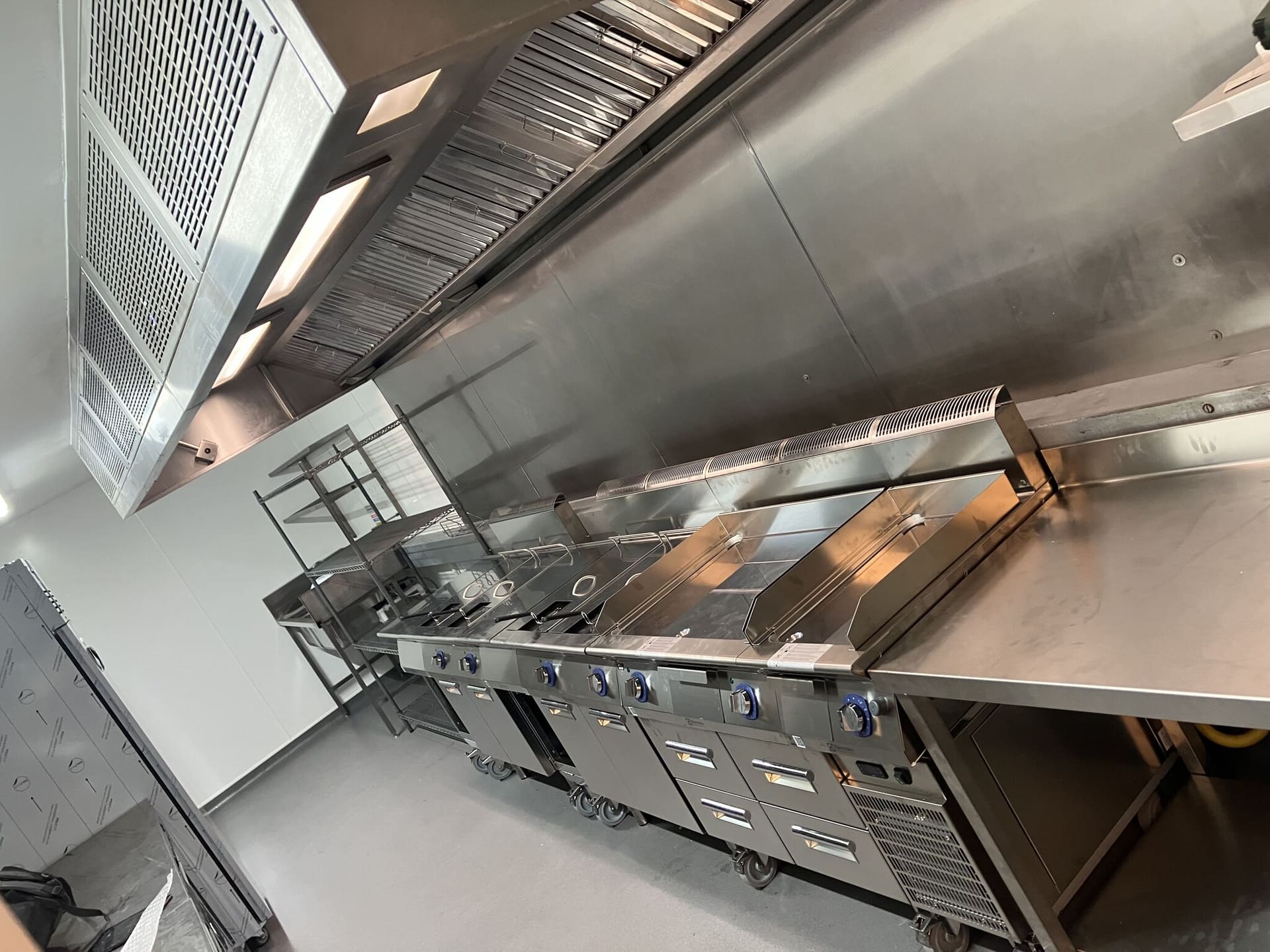
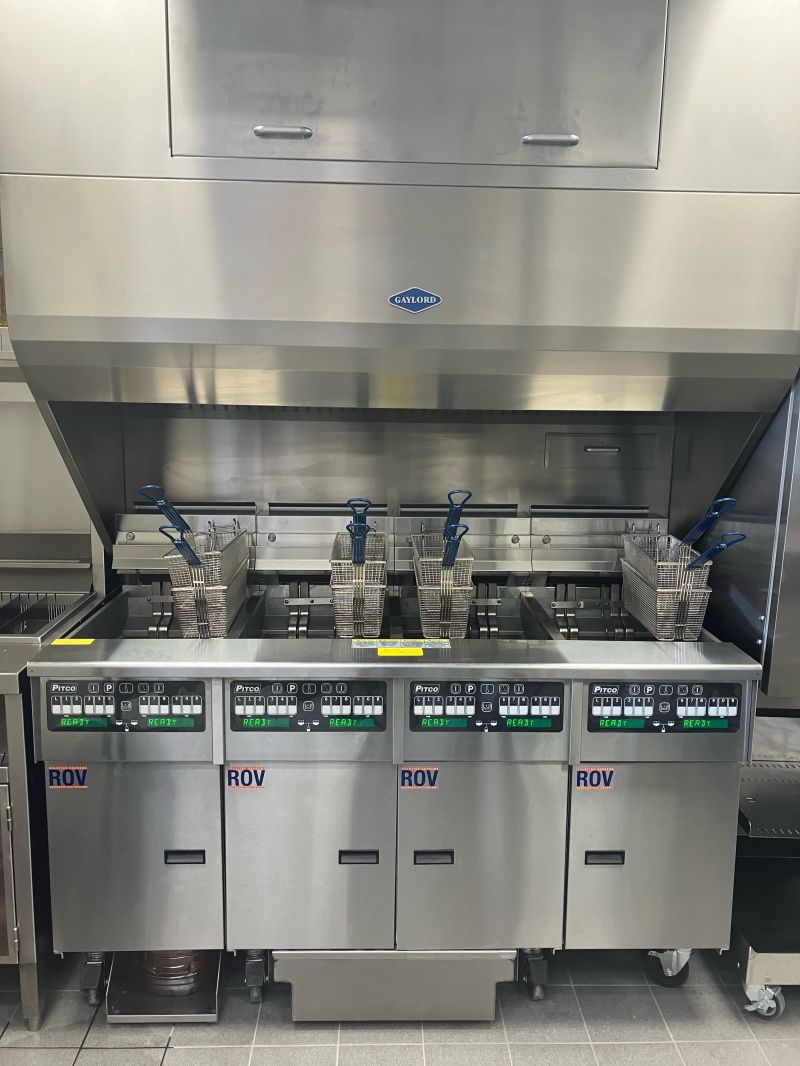
The scope depends on the site and appliances. Agree which equipment, pipework, ventilation and associated safety systems are included before the visit. An appropriately qualified engineer may check:
- The condition of gas appliances, pipework and flexible connections
- Supply and appliance operating conditions where applicable
- Flame supervision and other relevant safety devices
- Ventilation and the gas interlock, where fitted
- Any defects, actions taken and work still required
Ask for a clear written record showing the equipment inspected, findings and recommendations. Do not assume every site needs exactly the same tests or that an inspection replaces maintenance and repairs.
Who can inspect the equipment?
Gas work must be carried out by someone competent and, where the Gas Safety (Installation and Use) Regulations apply, Gas Safe registered with qualifications relevant to the type of commercial catering equipment involved. Check the engineer's Gas Safe ID card and categories, not just the company's registration. You can check registration with Gas Safe Register.
How often should it be checked?
Plan inspections around the appliance manufacturer's instructions, how heavily the kitchen uses the equipment and any applicable site or contractual requirements. HSE describes annual inspections as a reasonable general minimum, not a single fixed interval for every appliance. Arrange prompt assessment if you notice a fault or take over a site with unclear maintenance records; do not wait for a scheduled visit when you suspect a safety issue.
What if the engineer finds a defect?
The engineer should explain the classification, what has been made safe and what must happen before equipment can be used again. HSE's catering guidance describes At Risk (AR) and Immediately Dangerous (ID) classifications, with advice not to use affected equipment. The response depends on the actual fault; there is no general grace period that makes continued use safe. Keep the inspection record and subsequent repair evidence together.
Plan the visit
Prepare an up-to-date appliance list, available previous reports, service history and access to isolation points. Tell the engineer about unusual operating conditions or changes to ventilation and equipment. For help with the scope of an inspection, see our commercial gas safety service. If you are budgeting, read our separate CP42 cost guide or contact the team for a site-specific discussion.