Commercial Kitchen Equipment Maintenance: Extending Lifespan and Ensuring Safety
Commercial kitchen equipment represents a substantial capital investment. Waiting until something breaks can mean unplanned repairs and operational disruption. A maintenance plan helps teams identify issues and plan work, although it cannot guarantee a particular lifespan or prevent every failure.
This article outlines practical steps for implementing a maintenance programme. The return-on-investment estimates and client results previously published here were not supported by auditable records and have been removed.
The True Cost of Equipment Neglect
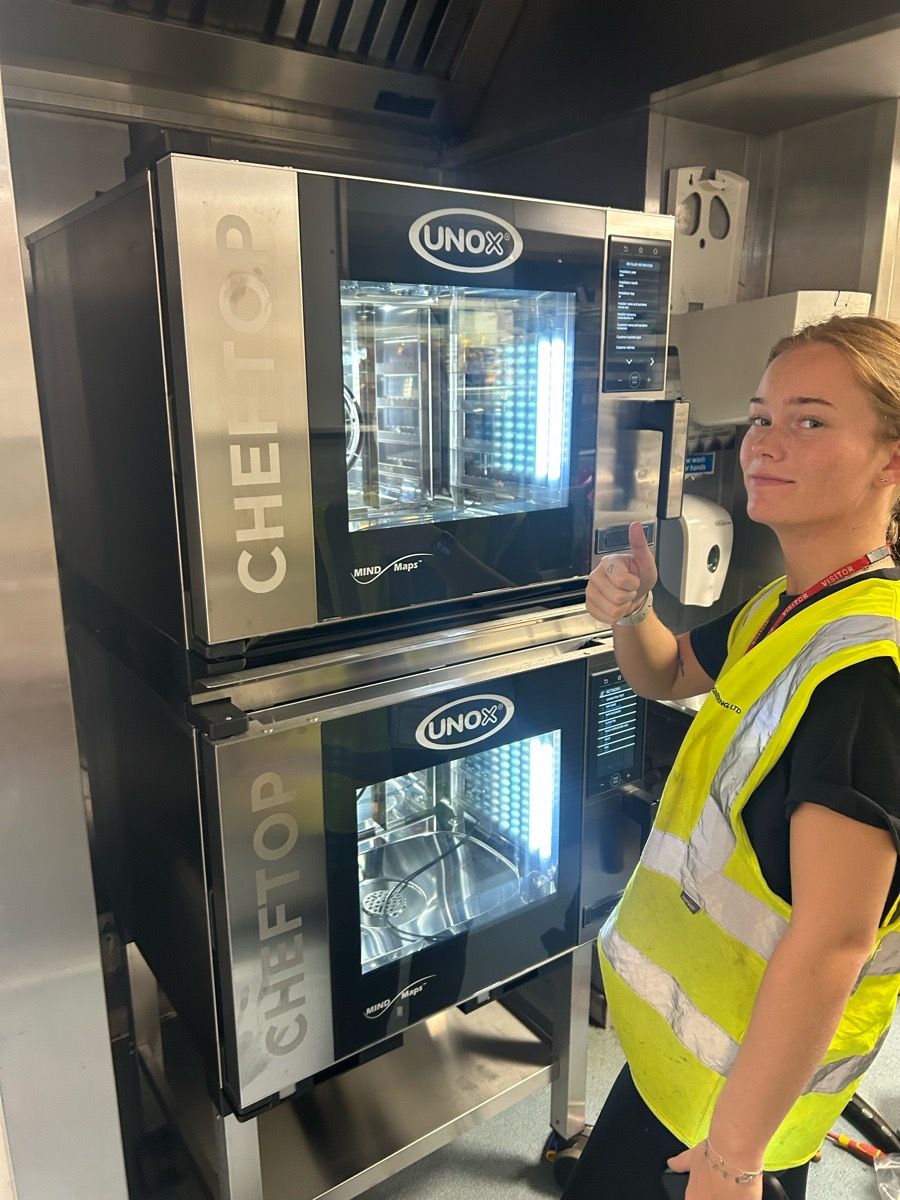
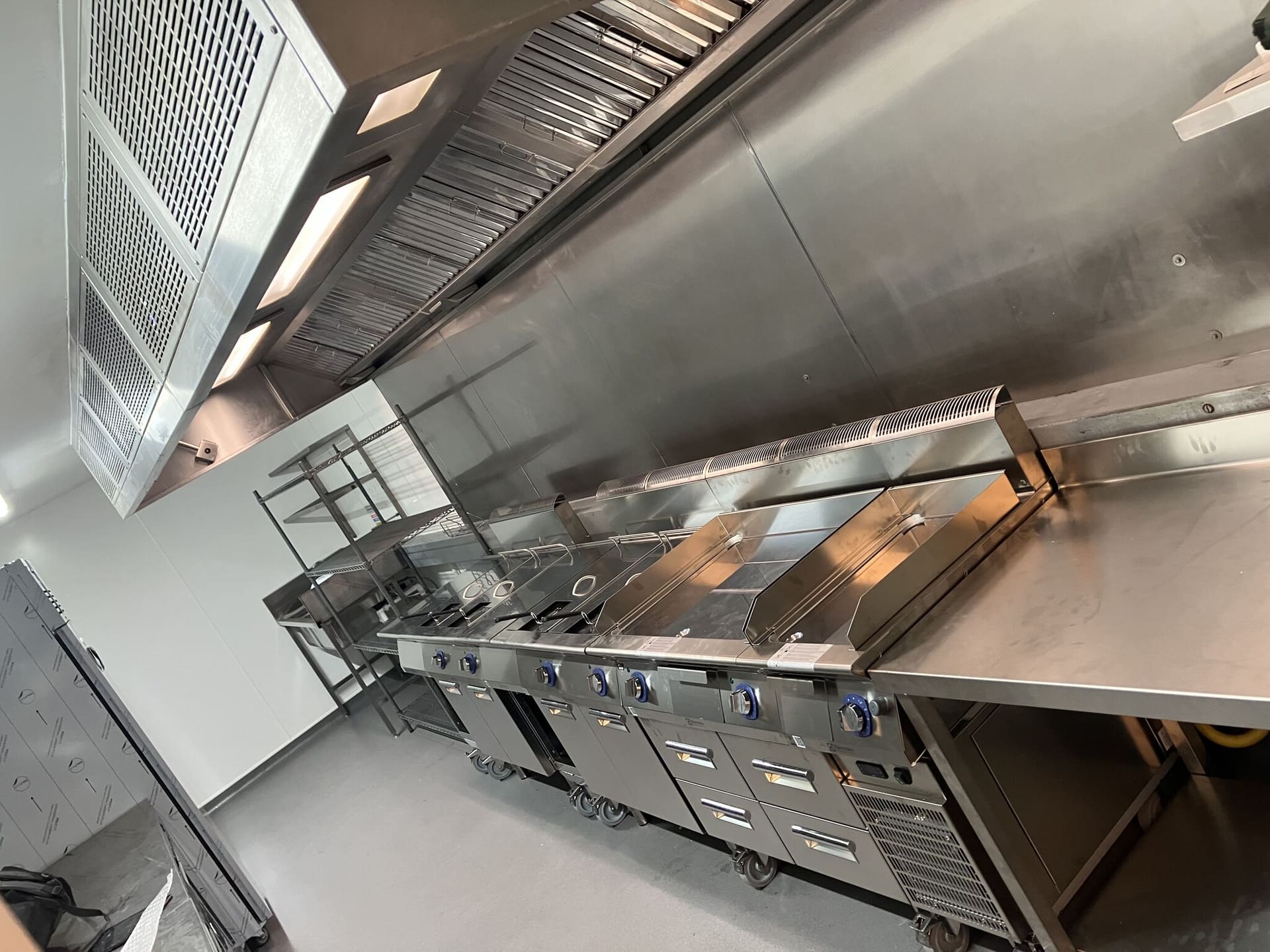
Regular professional maintenance helps identify potential issues before they lead to costly breakdowns
Before diving into maintenance specifics, it's worth understanding what's at stake when maintenance is neglected:
Financial Impact
- Emergency repair costs: Unplanned work may incur call-out or out-of-hours charges
- Lost revenue: Equipment downtime directly impacts service capacity
- Equipment life: Missed faults can affect the repair-or-replace decision
- Energy use: Some faults can increase consumption; measure against a suitable baseline
- Food waste: Equipment failures can lead to spoilage and wasted inventory
- Resale information: Service records help a buyer assess equipment condition
Safety and Compliance Risks
- Staff safety hazards: Malfunctioning equipment increases accident risks
- Food safety concerns: Equipment operating outside optimal parameters can compromise food safety
- Regulatory non-compliance: Failure to maintain gas and electrical equipment can violate legal requirements
- Insurance implications: Check policy terms and keep records of required inspections and maintenance
Equipment-Specific Maintenance Priorities
Different types of kitchen equipment have specific maintenance requirements:
Cooking Equipment
Ranges and Ovens:
- Check temperature controls against the manufacturer's instructions
- Arrange competent inspection of burners, ignition, gas connections and safety devices
- Inspect door seals and hinges for wear
- Clean accessible ventilation filters as directed by the manufacturer
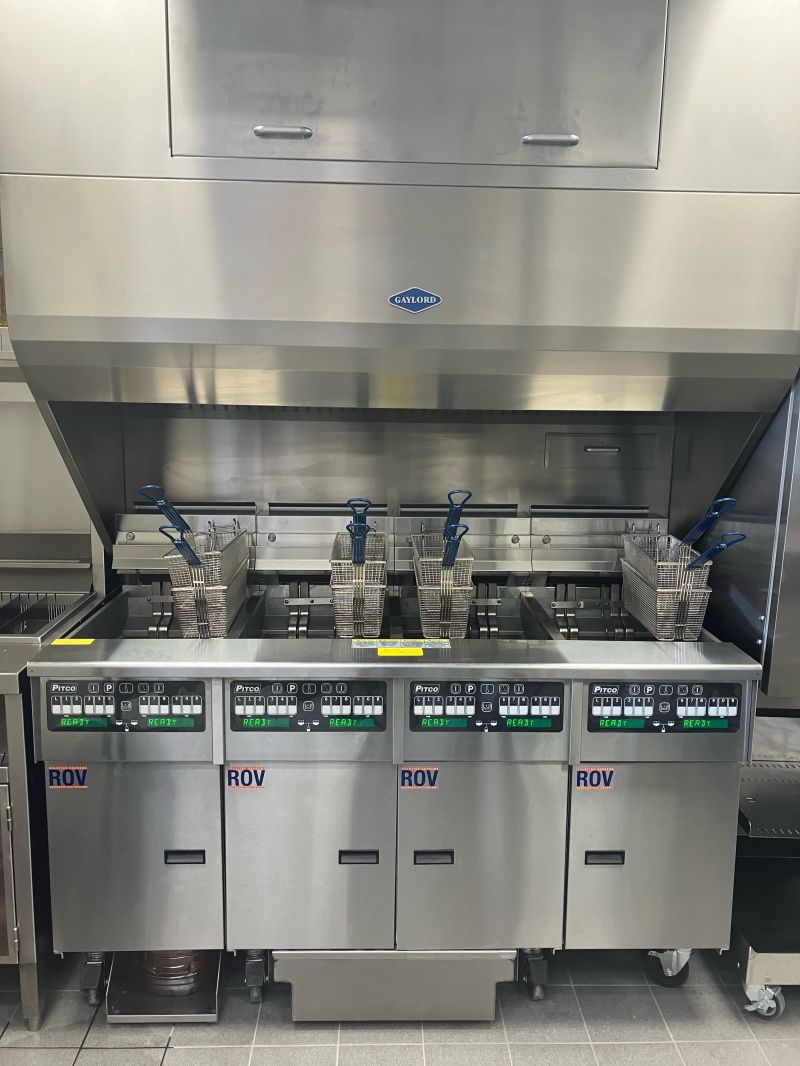
Fryers:
- Arrange competent checks of thermostats and high-limit controls
- Inspect heating components and arrange repair where needed
- Clean the appliance according to the manufacturer's instructions
- Have any gas pressure tests performed by an appropriately qualified engineer
Grills and Griddles:
- Check surfaces for cracks or damage
- Clean grease collection points as required by use and manufacturer guidance
- Arrange competent checks of temperature controls and gas ignition systems
Refrigeration Equipment
- Clean accessible condenser surfaces as instructed by the manufacturer
- Inspect door gaskets and drainage for problems
- Check operating temperature records and report deviations
- Arrange qualified checks of refrigerant systems, fans and defrost operation where indicated
Dishwashing Equipment
- Check wash and rinse performance against the manufacturer's requirements
- Clean accessible wash arms and filters as instructed
- Plan descaling around water hardness and manufacturer guidance
- Inspect door gaskets, drainage and chemical dosing with appropriate precautions
Developing a Preventative Maintenance Programme
An effective maintenance strategy requires structure and consistency:
1. Equipment Inventory and Documentation
Start by creating a comprehensive equipment inventory:
- Equipment make, model, and serial numbers
- Purchase date and warranty information
- Manufacturer's maintenance recommendations
- Service history records
- Performance benchmarks (energy consumption, temperature accuracy, etc.)
- Technical manuals and troubleshooting guides
Digital asset management systems can greatly simplify this process, allowing for quick access to equipment information and automated maintenance scheduling.
2. Tiered Maintenance Scheduling
Build a schedule around manufacturer instructions, risk assessment and the site's usage. The tasks below are examples, not universal intervals or instructions for unqualified staff to work on gas, electrical or refrigerant systems:
Daily Maintenance (Staff-Performed)
- Equipment cleaning according to food safety standards
- Visual inspection for obvious issues
- Basic operational checks
- Reporting of any performance concerns
Weekly/Monthly Maintenance (Staff/Management)
- More thorough cleaning of components
- Filter replacement/cleaning
- Performance testing
- Minor adjustments within staff capability
Quarterly/Annual Maintenance (Professional Service)
- Comprehensive inspection and testing
- Component replacement based on wear
- System calibration
- Safety certification
- Preventative parts replacement
3. Staff Training and Accountability
Even the best maintenance plan fails without proper execution:
- Train all kitchen staff on basic daily maintenance procedures
- Create clear, visual maintenance checklists
- Assign specific maintenance responsibilities
- Implement verification procedures (manager sign-offs, photos)
- Include maintenance performance in staff evaluations
- Provide refresher training regularly
4. Service Partner Selection
Professional maintenance services are essential for complex equipment. When selecting a service partner, consider:
- Manufacturer certification: Technicians trained on your specific equipment
- Response arrangements: Agreed scope and availability for emergency support
- Preventative focus: Partners who prioritise prevention, not just repair
- Documentation: Detailed service reports and recommendations
- Parts availability: Access to OEM parts inventory
- Geographic coverage: Ability to service all your locations
- Regulatory knowledge: Understanding of gas, electrical, and food safety regulations
5. Maintenance Record Keeping
Thorough documentation is critical for several reasons:
- Warranty validation
- Insurance requirements
- Pattern identification for recurring issues
- Compliance evidence for health and safety inspections
- Equipment lifecycle planning
- Cost tracking and ROI analysis
Modern maintenance management software can streamline this process, providing mobile access, automatic scheduling, and comprehensive reporting.
The Economics of Preventative Maintenance
For businesses watching their bottom line, it's important to understand the financial case for preventative maintenance:
Cost-Benefit Analysis
Compare the cost of a proposed service programme and excluded repairs with your actual repair invoices, measured downtime and asset condition. A site with newer equipment or spare capacity may have a different financial result from a kitchen relying on a single ageing appliance. For a cost comparison framework, read our maintenance contract finance guide. There is no reliable universal return-on-investment percentage for every kitchen.
Financing Maintenance
Several approaches can help manage maintenance costs:
- Service contracts: Fixed monthly fee covering scheduled maintenance and sometimes repairs
- Equipment leasing: Incorporating maintenance in the lease agreement
- Manufacturer extended warranties: Often requiring documented maintenance compliance
- Self-insurance fund: Setting aside repair budget proactively
Measure results at your own site
Keep a consistent record of faults, repair bills, service visits and downtime before and after changing the maintenance schedule. Review whether planned work identified faults early, and account for changes in equipment, usage and prices when comparing periods. Do not treat an illustrative scenario as a verified client result.
Special Considerations for Different Businesses
Maintenance needs vary based on operation type:
High-Volume Quick Service Restaurants
- More frequent maintenance intervals due to equipment intensity
- Focus on redundancy for critical equipment
- After-hours maintenance scheduling to avoid disruption
- Emphasis on quick-swap components
Fine Dining Establishments
- Precision calibration of temperature-critical equipment
- Aesthetic maintenance considerations
- Specialised maintenance for custom or imported equipment
- Low-volume but high-cost equipment focus
Institutional Foodservice (Schools, Hospitals)
- Stringent documentation for compliance requirements
- Focus on safety and reliability over performance
- Scheduled maintenance during operational downtimes
- Emphasis on longevity and durability
Seasonal Operations
- Intensive pre-season preparation
- Proper shutdown and storage procedures
- Different maintenance considerations for idle periods
- Renovation planning during off-season
New Technologies Transforming Maintenance
Depending on the equipment and site, digital tools may support maintenance planning:
- IoT sensors and remote monitoring: Real-time equipment performance tracking
- Condition alerts: Helping engineers investigate changes in performance
- Digital service records: Keeping asset history accessible
- Maintenance scheduling: Tracking planned visits and follow-up actions
Check the exact model's capabilities and data access before assuming a connected feature will be useful.
How HK Engineering Supports Commercial Kitchen Maintenance
Our approach to maintenance is proactive and comprehensive:
- Customised maintenance programmes: Tailored to your specific equipment mix, usage patterns, and business requirements
- Multi-tier service options: From basic preventative maintenance to comprehensive coverage
- Certified technicians: Factory-trained for all major equipment brands
- Digital documentation: Complete service records and asset management
- Staff training: Hands-on guidance for daily and weekly maintenance tasks
- Emergency repair support: Call 01225 791848 to discuss the fault and available options when issues occur
- Genuine parts inventory: Quick access to OEM components
- Maintenance audits: Identifying improvement opportunities in existing processes
We serve clients throughout England and Wales with a particular focus on the restaurant, hotel, healthcare, and education sectors.
Conclusion
Effective equipment maintenance supports safety and operational planning. Its financial value depends on site conditions, contract scope and actual repair history; it should not be presented as a guaranteed first-year return or lifespan extension.
For most commercial kitchens, the optimal approach combines staff-performed routine maintenance with professional scheduled service, creating a comprehensive programme that addresses equipment needs at all levels.
If you're interested in developing or improving your maintenance programme, contact HK Engineering on 01225 791848 or email info@hkengineeringltd.co.uk for a consultation. We can help you assess your current practices, identify improvement opportunities, and implement a maintenance strategy that supports your operational and financial goals.
About the Author
Luke Herridge is a Director at HK Engineering Ltd with extensive experience in commercial kitchen equipment maintenance and repair. Luke leads the company's service team and has developed maintenance programmes for businesses ranging from independent restaurants to multi-site chains and institutional foodservice operations.