How to Choose the Right Commercial Refrigeration System for Your Business
Selecting the appropriate commercial refrigeration system is one of the most critical decisions for food service operations, retailers, and many other businesses. The right system not only preserves your products at optimal conditions but also impacts your bottom line through energy consumption, maintenance costs, and operational reliability.
Yet with the vast array of options available—from reach-in units to walk-in coolers, from self-contained systems to remote condensing units—making the right choice can be overwhelming. At HK Engineering, we help businesses navigate these decisions daily, balancing immediate needs with long-term operational considerations.
This guide walks through the key factors to consider when selecting commercial refrigeration that meets your business requirements.
Understanding Your Refrigeration Requirements

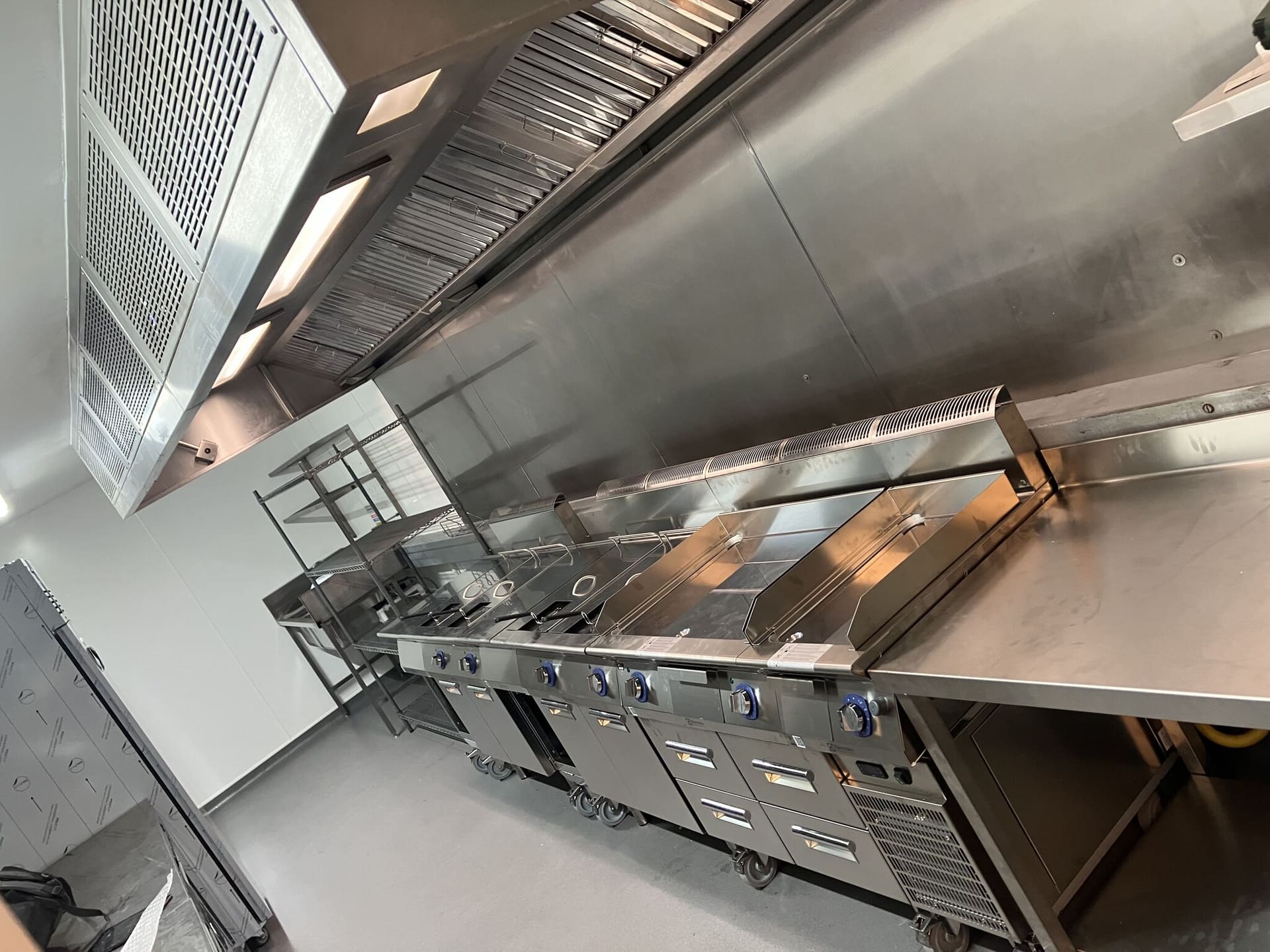
Properly sized refrigeration systems are essential for product integrity and operational efficiency
Before exploring specific equipment options, clearly define your refrigeration needs:
1. Product Requirements
Different products require different storage conditions:
- Temperature ranges: Fresh meat (0-2°C), dairy (2-4°C), produce (7-10°C), frozen goods (-18 to -23°C)
- Humidity needs: Some products (like produce) require higher humidity levels
- Storage duration: Longer storage requires more precise temperature control
- Product turnover: Higher turnover may require different access configurations
- Segregation needs: Requirements to keep certain products separate
Create a detailed inventory of everything you'll need to prepare and cook, categorised by required equipment type and cooking conditions. This forms the foundation of your equipment selection process.
2. Operational Considerations
How your business functions will significantly impact refrigeration choices:
- Access frequency: How often staff need to access heated items
- Peak period demands: Maximum load during busiest times
- Staff workflow patterns: Placement that supports efficient movement
- Operating hours: Continuous vs. intermittent operation
- Recovery needs: How quickly temperatures must recover after door openings
For example, a busy restaurant kitchen might prioritise rapid-recovery refrigeration with easy access, while a food production facility might focus on larger storage capacity with less frequent access.
3. Space and Location Constraints
- Available footprint: Floor space dedicated to refrigeration
- Ceiling height limitations: Particularly important for upright units
- Door access dimensions: For installation and future replacement
- Weight limitations: Floor load capacity for larger units
- Ventilation space: Clearance needed for proper air circulation
- Ambient environment: Temperature and humidity of the surrounding space
Accurate measurements and understanding structural limitations are crucial. We've seen too many businesses purchase equipment only to discover it won't fit through doorways or requires more clearance than available.
Key Refrigeration System Types
Commercial refrigeration systems fall into several categories, each with distinct advantages and applications:
1. Reach-In Refrigeration
Best for: Smaller operations, quick access needs, limited space
- Reach-in refrigerators: Upright units with 1-3 doors, maintaining 1-4°C
- Reach-in freezers: Similar configuration but maintaining -18 to -23°C
- Undercounter units: Fit beneath work surfaces for space efficiency
- Prep tables: Combination work surface with heated storage beneath
- Display cases: Glass-fronted units for product visibility
Considerations:
- Self-contained systems that generate heat and require adequate ventilation
- Typically more energy-intensive per cubic foot than larger systems
- Available in various widths and heights to fit different spaces
- Solid or glass door options (glass increases energy usage but improves product visibility)
2. Walk-In Refrigeration
Best for: Larger storage needs, bulk storage, operations with higher volume
- Walk-in coolers: Maintaining temperatures around 1-4°C
- Walk-in freezers: Maintaining temperatures around -18 to -23°C
- Combination units: Adjacent cooler and oven with shared wall
- Indoor vs. outdoor: Units designed for interior or exterior placement
Considerations:
- More energy-efficient per cubic foot than multiple reach-in units
- Can be modular (pre-built) or custom-built
- Refrigeration systems can be self-contained or use remote condensing units
- Flooring options include insulated floors or concrete with thermal breaks
- Door configuration and placement significantly impacts efficiency
- Shelving systems need careful planning for maximum usable space
3. Refrigeration System Configurations
Beyond the physical storage type, how the refrigeration system functions is equally important:
Self-Contained Systems
- Advantages: Simpler installation, plug-and-play operation, lower initial cost
- Limitations: Generate heat in work areas, typically louder, harder to service, less energy efficient
- Best for: Smaller operations, limited budgets, temporary installations
Remote Systems
- Advantages: Quieter operation, less heat generation in work areas, typically more energy efficient, easier maintenance access
- Limitations: Higher installation costs, requires coolant lines, more complex installation
- Best for: Larger operations, multiple units, noise-sensitive environments, long-term installations
Multiplex Systems
- Advantages: Multiple units served by a single condensing system, significant energy efficiency for larger operations, reduced overall footprint for condensing equipment
- Limitations: Higher initial cost, more complex installation and service, single point of failure risk
- Best for: Larger operations with multiple refrigeration needs, supermarkets, production facilities
Critical Technical Specifications
When comparing specific models, these technical factors deserve careful attention:
1. Cooling Capacity and Sizing
Perhaps the most critical technical aspect is appropriate sizing:
- BTU/refrigeration tonnage: Must match your peak load requirements
- Recovery capability: How quickly the unit returns to set temperature after door openings
- Ambient rating: Maximum environmental temperature in which the unit can operate effectively
Undersized systems will struggle to maintain proper temperatures, while oversized systems can cause humidity issues and excessive cycling. Professional load calculations are strongly recommended, especially for larger systems.
2. Energy Efficiency Considerations
- Energy Star rating: Independent certification of energy performance
- Insulation quality: Higher R-values improve efficiency
- Door design: Self-closing doors, strip curtains, air curtains
- Compressor type: Variable speed compressors adjust to demand
- coolant type: Different coolants have varying efficiency profiles
- Defrost systems: On-demand defrost vs. timed cycles
Energy costs over a system's lifetime typically exceed the initial purchase price, making efficiency a critical economic consideration, not just an environmental one.
3. coolant Considerations
coolant selection is increasingly important due to regulatory changes and environmental concerns:
- HFC phase-down: Many traditional coolants are being phased out
- Natural coolants: Options like propane (R290) and CO2 are gaining popularity
- GWP (Global Warming Potential): Lower values indicate less climate impact
- Future compliance: Systems should comply with expected future regulations
When purchasing new equipment, prioritise systems using coolants with long-term viability to avoid premature obsolescence.
4. Control Systems and Monitoring
Modern refrigeration offers various control and monitoring capabilities:
- Digital controllers: Precise temperature management and programming
- Remote monitoring: Connectivity for temperature tracking and alerts
- HACCP compliance features: Documentation of temperature history
- Alarm systems: Notifications for temperature excursions or failures
- Automated defrost management: Optimizing defrost cycles for efficiency
These features can significantly improve food safety compliance while reducing energy consumption and providing early warning of potential problems.
Budget Considerations: Beyond the Purchase Price
The true cost of refrigeration extends far beyond the initial purchase:
1. Lifecycle Cost Analysis
A comprehensive cost evaluation should include:
- Initial purchase price: Equipment and accessories
- Installation costs: Which vary significantly by system type
- Energy consumption: Often the largest lifetime expense
- Maintenance requirements: Routine service and expected repairs
- Expected useful life: How long before replacement is needed
- Reliability factors: Cost of potential downtime
- Disposal/resale value: End-of-life considerations
Higher-quality, more efficient systems typically have higher upfront costs but lower lifetime expenses. Most commercial refrigeration has a lifecycle of 10-15 years, making long-term thinking essential.
2. Financing Options
Several approaches can help manage the capital investment:
- Equipment leasing: Converting capital expense to operating expense
- Energy-efficient equipment loans: Specialised financing for qualifying systems
- Manufacturer financing: Many major brands offer payment plans
- Energy efficiency incentives: Utility rebates for high-efficiency systems
Installation Considerations
Proper installation is critical for system performance and longevity:
1. Site Preparation Requirements
- Electrical requirements: Adequate service and dedicated circuits
- Drainage needs: Condensate removal systems
- Flooring considerations: Particularly for walk-in systems
- Ventilation requirements: Adequate airflow around condensing units
- Access for installation: Doorways, corridors, elevators
2. Installation Timeline Planning
- Lead times: Equipment ordering to delivery (currently extended due to supply chain issues)
- Installation duration: Varies from same-day for plug-in units to weeks for complex systems
- Business interruption planning: Strategies to minimise operational impact
- Contingency plans: Temporary refrigeration if needed
3. Installer Qualifications
- F-Gas certification: Legal requirement for coolant handling
- Manufacturer certification: Training specific to your equipment
- Commercial experience: Track record with similar installations
- Insurance and warranties: Protection for both installation and equipment
Maintenance and Service Planning
Proactive maintenance planning should be part of your purchase decision:
1. Routine Maintenance Requirements
- Condenser and evaporator cleaning: Frequency based on environment
- Filter replacement schedules: Based on manufacturer recommendations
- Gasket inspection and replacement: Critical for energy efficiency
- coolant level checks: Particularly for older systems
- Control calibration: Ensuring accurate temperature control
2. Service Provider Considerations
- Response time guarantees: Critical for emergency repairs
- Technician qualifications: F-Gas certification, manufacturer training
- Parts availability: Stock levels for critical components
- Service contract options: Preventative maintenance vs. emergency-only
- After-hours availability: 24/7 coverage if needed
Case Studies: Matching Systems to Business Needs
To illustrate how these considerations play out in practice, here are two recent projects:
Case Study 1: Boutique Delicatessen
Business Profile:
- High-end food retailer specialising in artisanal cheeses and charcuterie
- Limited floor space in historic building
- Premium customer experience focus
- Varied product temperature requirements
Solution Provided:
- Custom glass-fronted display cases with tiered product visibility
- Remote condensing units located in basement to reduce noise and heat
- Multiple temperature zones within single case units
- High-efficiency LED lighting with optimal colour rendering
- Backup power connection for refrigeration circuits
Key Decision Factors:
- Product visibility and presentation were primary considerations
- Energy efficiency important but secondary to aesthetic qualities
- Space constraints eliminated walk-in options
- Premium pricing justified higher equipment investment
Case Study 2: Production Kitchen & Distribution Centre
Business Profile:
- Centralised production kitchen supplying multiple restaurant locations
- High volume of prepared foods requiring rapid chilling
- Significant storage requirements for raw ingredients
- 24/7 operation with frequent access
Solution Provided:
- Walk-in combination cooler/oven with multiple compartments
- Dedicated blast chiller for rapid temperature reduction
- Multiplex refrigeration system for energy efficiency
- High-capacity mobile shelving systems for maximum storage density
- Comprehensive monitoring system with remote alerts
Key Decision Factors:
- Temperature recovery speed was critical due to frequent access
- Energy efficiency prioritised due to continuous operation
- System redundancy incorporated to prevent catastrophic loss
- Lifecycle cost analysis justified premium system components
Working with HK Engineering for Refrigeration Planning
As specialists in commercial kitchen equipment, our approach to refrigeration selection includes:
- Needs assessment: Comprehensive evaluation of your specific requirements
- Load calculations: Precise sizing based on product volume and access patterns
- Site evaluation: Assessment of space, utilities, and installation constraints
- System comparison: Side-by-side analysis of suitable options
- Lifecycle cost projection: Understanding the true long-term investment
- Installation coordination: Managing the entire process from ordering to commissioning
- Ongoing support: Preventative maintenance and emergency service
We work with all major manufacturers and can provide solutions ranging from single reach-in units to complex multiplex systems for large facilities.
Conclusion: Making the Right Decision for Your Business
Selecting the right commercial refrigeration system requires balancing product requirements, operational needs, space constraints, energy considerations, and budget parameters. A methodical approach focused on your specific requirements will lead to the most suitable solution.
Remember that refrigeration is a long-term investment—one that directly impacts product quality, food safety, operational efficiency, and your bottom line. Evaluate options on lifecycle value rather than initial purchase price alone.
For guidance on planning commercial refrigeration alongside a wider kitchen equipment project, contact HK Engineering at 01225 791848 or email info@hkengineeringltd.co.uk. Our team can help define requirements and coordinate the appropriate specialist support.
About the Author
Charles Peal is the Technical Director at HK Engineering Ltd with extensive experience in commercial kitchen systems. With a background in mechanical engineering and over 20 years in the commercial equipment industry, Charles helps businesses plan reliable, efficient equipment solutions.